Attachment Patterns: Why We Repeat Relationship Cycles
Have you ever found yourself asking, “Why do I keep ending up in the same kind of relationship?”
Maybe you’re drawn to emotionally unavailable partners. Maybe relationships start intensely and then suddenly feel overwhelming. Or maybe you pull away the moment someone gets too close, even though connection is what you want most. If this feels familiar, it’s not because you’re broken or making bad choices.
Often, it’s because your attachment patterns are quietly shaping how you connect, love, and protect yourself in relationships.
Understanding attachment can be a powerful first step toward breaking old cycles and creating healthier, more secure connection.

What Are Attachment Patterns?
Attachment patterns are emotional and relational templates that develop early in life, often based on our experiences with caregivers. These patterns influence how safe we feel with closeness, how we respond to conflict, and what we expect from others in relationships.
While attachment patterns begin in childhood, they often show up most clearly in adult romantic relationships.
Common Attachment Styles in Adults
-
Comfortable with closeness and independence
Able to communicate needs and emotions
Feels generally safe in relationships
-
Strong desire for closeness and reassurance
Fear of abandonment or rejection
May overthink, seek validation, or feel emotionally reactive
-
Values independence and self-reliance
Feels uncomfortable with emotional closeness
May withdraw, shut down, or feel overwhelmed by intimacy
-
Desires closeness but fears it at the same time
Can feel confused, conflicted, or emotionally intense in relationships
Often linked to inconsistent or unsafe early relationships
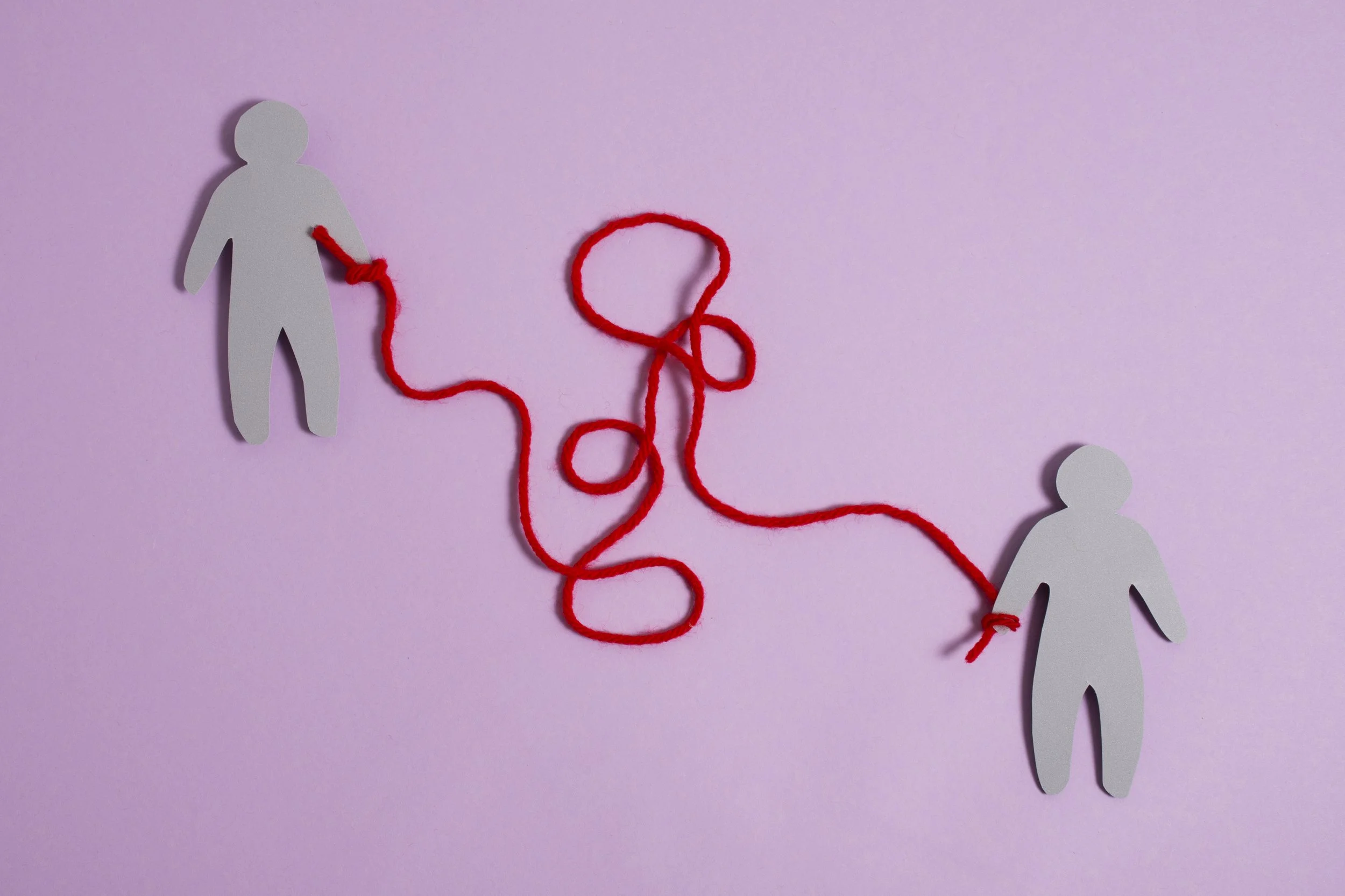
Why Do We Keep Repeating the Same Relationship Cycles?
Attachment patterns are familiar… even when they’re painful.
Your nervous system is wired to seek what it knows, not necessarily what’s healthy. If emotional distance, inconsistency, or unpredictability were part of early relationships, your system may interpret those dynamics as normal or even attractive.
This can lead to patterns such as:
Repeatedly choosing unavailable or emotionally distant partners
Feeling “bored” in stable, secure relationships
Staying too long in unhealthy dynamics
Feeling intense fear when relationships feel uncertain
Pushing people away when closeness increases
These patterns aren’t conscious choices, they’re protective strategies designed to keep you emotionally safe.
How Therapy Helps You Break These Patterns
Therapy offers a space to gently explore and shift attachment patterns with compassion and curiosity.
In therapy, we may work on:
Understanding where your attachment patterns came from
Recognizing triggers and emotional reactions in relationships
Developing emotional regulation and self-soothing skills
Building healthier boundaries and communication
Creating a sense of safety within yourself and with others
Modalities often used in attachment-focused work include:
Attachment-based therapy – to explore relational wounds and needs
Internal Family Systems (IFS) – to work with protective parts that push or pull in relationships
Somatic therapy – to address how attachment lives in the nervous system
CBT and DBT skills – to support emotional regulation and relational patterns
